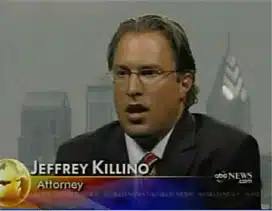
As the coronavirus has caused panicked people to hoard items such as toilet paper and hand sanitizers, pasta and frozen food, retailers and hospitals are pressured to maintain cleaning and medical supplies. Mainly because hospitals are running out of these essential items, an 82-year-old road safety law has been suspended for some truck drivers. But attorney Jeff Killino says the consequences of this decision haven’t been given much thought.
The Federal Motor Carrier Safety Administration on March 13 announced that truck drivers who are moving goods “in support of emergency relief efforts related to the COVID-19 outbreaks” will not have to follow hours-of-service laws (HOS), which mandate how many hours a truck driver may work, for the time being. Currently, HOS requires truck drivers to drive only 11 hours within a 14-hour work period. They must then log 10 hours of “off-duty” time. Many truck drivers, however, aren’t fans of this regulation, saying HOS disrupts their sleep schedule and makes them more likely to drive tired. But there’s a reason why this regulation has been in place since 1938.
At the Killino Law Firm we understand the laws that govern all motor vehicle accidents, particularly tractor-trailer accidents. Our highly trained and experienced legal team has a proven track record of success in handling such accidents nationwide, and we know about highway safety. Attorney Jeff Killino says suspending the HOS laws will increase truck accidents.
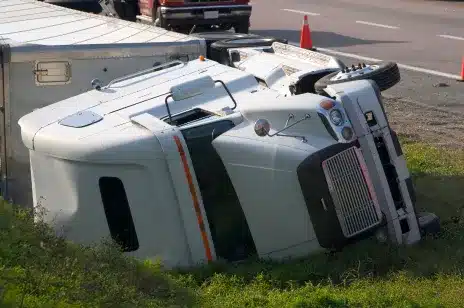
About 500,000 accidents on the road are caused directly or indirectly by commercial trucks. The FMCSA, the same administration that has lifted the HOS, in 2017 reported that 4,657 large trucks were involved in fatal crashes. Further, 56,422 large trucks were involved in injury crashes, and 102,973 were involved in tow-away crashes.
The most common cause of truck accidents is fatigue.
Suspending this road safety law means that unimportant merchandise will still be shipped nationwide, but now by fatigued drivers — drivers pressured by their employers who demand the delivery of goods to certain destinations within a short period of time. Drivers don’t get enough quality sleep over the course of the journey, http://affectivebrain.com/?attachment_id=5775. The accumulated fatigue causes them to lose concentration and coordination, and they can end up sleeping at the wheel. Not only themselves but also other drivers are at risk of truck accidents, some of which will result in truck injuries and truck fatalities.
“There are other, safer ways of accomplishing this objective, of getting essential merchandise delivered to places and people most in need,” says Killino. (And if everyone realized that there is a plan in place, and they stopped hoarding, Walmart won’t run out of toilet paper.)
Killino’s solution is simple – it is logistical prioritization. “Allocate the available trucks and drivers to transport the emergency relief and necessity goods first. With all the factories and businesses closed there must be a downturn in shipping of other nonessential items,” Killino says. “Why would we have to lift a safety regulation and put the truckers—whom we need to delivery important items—at risk of hurting themselves and other necessary people, like healthcare workers, on the roads?”
Killino says this is just a poor response to a solvable problem. Trucking companies should prioritize merchandise and goods for delivery: don’t deliver non-essential and definitely no luxury items during this pandemic. “This will create a surplus of trucks and truck drivers so there will be no need to lift safety regulations,” explains Killino.
According to the FMCSA’s emergency declaration, here are the types of loads that are exempt from HOS laws:
- Medical supplies and equipment related to the testing, diagnosis, and treatment of COVID-19
- Supplies and equipment necessary for community safety, sanitation, and prevention of community transmission of COVID-19 such as masks, gloves, hand sanitizer, soap, and disinfectants
- Food for emergency restocking of stores
- Equipment, supplies, and persons necessary to establish and manage temporary housing, quarantine, and isolation facilities related to COVID-19
- Persons designated by Federal, State or local authorities for medical, isolation, or quarantine purposes
- Persons necessary to provide other medical or emergency services, the supply of which may be affected by the COVID-19 response
The Killino Firm’s tractor-trailer accident lawyers have been recognized from coast to coast for their expertise in truck accident cases and their aggressive pursuit of justice from all those who have caused victims’ truck crash injuries and deaths. Contact The Killino Firm for experienced and dedicated assistance with your trucking injury case.