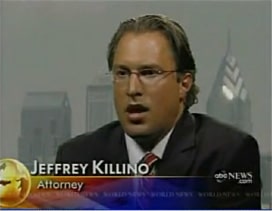
NATIONALLY RECOGNIZED
How Can a Medical Malpractice Lawyer Help After a Serious Injury or Death?
Medical Malpractice Recoveries
Hundreds of Millions of Dollars Have Been Recovered for Medical Malpractice Victims
Fill out and submit the form below for a confidential legal review:
"*" indicates required fields
How Can a Medical Malpractice Lawyer Help After a Serious Injury or Death?
When medical treatment leaves a patient seriously injured, families need answers about what happened and whether the harm could have been prevented. A medical malpractice lawyer examines the care, the applicable professional standard and the connection between a provider’s actions and the patient’s outcome.
The Killino Firm evaluates medical negligence claims involving catastrophic injuries and fatal outcomes. We can review your concerns, identify records that need to be preserved and explain the investigation required. Contact us for a free, confidential consultation.
What Makes a Medical Error Malpractice?
An unexpected result, a known complication or an unsuccessful treatment does not alone establish medical malpractice. A claim generally requires proof that a healthcare provider owed the patient a duty, departed from the applicable standard of care and caused compensable harm. The precise legal test and procedural requirements depend on state law.
The standard of care concerns what a reasonably qualified provider in the relevant circumstances should have done. Expert review is often needed to compare the actual decisions with appropriate care and determine whether an earlier diagnosis or different response would have changed the outcome.
Which Types of Medical Negligence Can Cause Serious Harm?
Potential claims may involve delayed diagnosis, surgical errors, medication mistakes, anesthesia complications, birth-related negligence or a failure to recognize and respond to a deteriorating patient. Examples include a missed stroke diagnosis, an overlooked abnormal test result or a dangerous medication dose that was not corrected.
Hospital care can also involve communication failures, inadequate monitoring or a delayed response to an infection. The existence of an infection or another complication does not itself prove negligence. The investigation must identify the preventable departure from care and its effect on the patient.
For injuries involving several providers, the timeline is especially important. A physician, nurse, laboratory and facility may each hold records explaining a different part of the event. Their roles should be investigated individually rather than treating all participants as automatically responsible.


What Is the Difference Between Medical Malpractice and Wrongful Death?
Medical malpractice concerns negligent healthcare, which may cause an injury or a death. Wrongful death concerns a death for which another party is legally responsible. A medical malpractice wrongful death lawsuit brings these concepts together when negligent care causes a patient’s death. It is distinct from a claim based only on an unsuccessful medical outcome.
What Must Be Proven When Medical Malpractice Causes a Death?
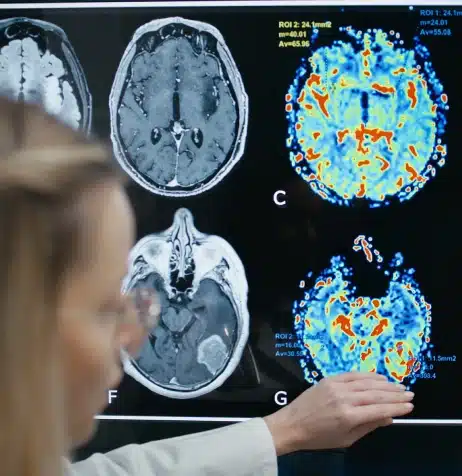
A fatal-malpractice claim requires more than proof that an error occurred before the patient died. Medical evidence must connect the negligent care to the death under the applicable legal standard. The underlying illness, other conditions and available treatment options all need to be considered.
Wrongful death and survival claims may address different losses. Depending on state law, a wrongful death claim may compensate eligible beneficiaries for lost financial support, services or companionship. A survival claim may concern losses the patient experienced before death. The estate’s personal representative or another authorized person may need to bring the action.
An existing illness does not excuse substandard treatment, but it can affect causation and damages. An independent review can help distinguish an unavoidable progression of disease from a preventable fatal injury. Families should keep death certificates, autopsy information if available and records from treatment before and after the event.

Who May Be Responsible for Medical Negligence?
Potential parties include physicians, nurses, other licensed providers and healthcare facilities. A hospital may face questions about its own policies, staffing or systems, as well as responsibility for people working within the facility. Employment and contracting relationships can affect which claims are available.
The investigation should identify each provider’s role and relevant insurance. A poor result does not justify suing everyone who appeared in the chart. The evidence should support the alleged breach and its contribution to the harm.
What Records Help Establish What Happened?
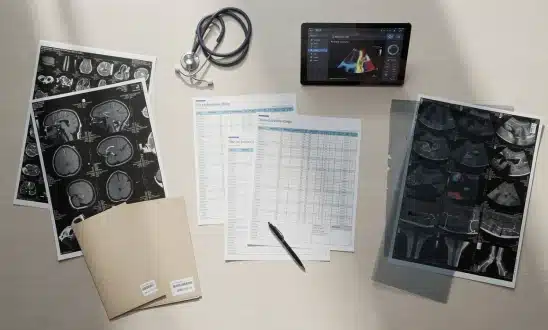
Useful materials may include the complete medical chart, imaging, laboratory results, medication administration records, nursing notes, operative reports and discharge instructions. Electronic records and their audit history can help clarify the timing of orders, test results and responses.
Write down the questions that concern you, who was involved and when important conversations occurred. Preserve messages, appointment records and bills. A lawyer can seek the records needed for expert assessment and explain whether additional evidence should be preserved. You do not need to diagnose the error yourself before asking for a review.
The record review should follow the patient’s course rather than begin and end with the final diagnosis. A test may have been ordered, resulted and communicated at different times. A question about delayed treatment may depend on when a provider had information requiring a response and what reasonable care would have called for at that point. An expert’s explanation should connect those events instead of treating a later adverse outcome as proof that an earlier decision was negligent.
For fatal medical negligence, the timeline also helps distinguish the underlying condition from harm attributed to a departure from care. The review may need records from an emergency department, a specialist and another facility to assess whether different treatment would have changed the outcome under the applicable legal standard. An incomplete chart can leave that question unanswered. Families can help by identifying each treating location and preserving the communications already available to them, without trying to supply a medical opinion themselves.
What Compensation May Be Available in a Malpractice Claim?
For a surviving patient, recoverable losses may include treatment, rehabilitation, future care, lost earnings, reduced earning capacity and pain and suffering where permitted. A person with a permanent injury may need a detailed life care plan supported by medical evidence.
After a death, the applicable statutes determine which medical expenses, funeral costs, support losses and other damages may be recovered, and by whom. Some jurisdictions restrict categories or amounts of damages. Punitive damages require a separate legal basis and are not an ordinary feature of every claim.


How Long Do You Have to File a Medical Malpractice Case?
Deadlines vary by jurisdiction and can involve discovery rules, statutes of repose, pre-suit notices and expert certificates. Claims involving a public hospital or other government provider may have additional requirements. Rules for children and fatal outcomes also need individual review.
Do not assume that a general personal injury deadline applies or that an internal hospital complaint stops the filing period. Early advice allows time for the medical review and procedural steps a malpractice case may require.
How Can a Family Prepare for a Fatal Medical Error Review?
Create a factual timeline of appointments, symptoms, calls, test results and changes in the patient’s condition. Note which details you personally observed and which came from a conversation or document. Keep the records you already have without altering or annotating the originals.
If more than one facility provided care, identify each location and the approximate dates. A complete chronology can reveal an unanswered test result or a delayed transfer that is not apparent from one discharge summary. It also helps medical reviewers consider alternative explanations fairly.
Does Signing a Consent Form Prevent a Malpractice Claim?
A consent form does not necessarily excuse negligent treatment. The risks a patient accepted, the information provided and the quality of the care are related but separate questions. Informed-consent claims have their own legal requirements. The review should examine the actual discussions and treatment rather than assume that a signature proves either negligence or immunity from a claim.
What Happens During a Medical Malpractice Case Review?
The review begins with the patient’s history, the care at issue and the resulting harm. Relevant specialists may assess whether the care departed from accepted practice and whether that departure caused the injury or death. The legal team then evaluates the evidence, defendants, deadlines and available remedies.
If you have concerns about preventable medical harm, contact The Killino Firm. We can discuss a serious injury or a loved one’s death in a free, confidential consultation and explain the next steps based on the facts.


Frequently Asked Questions (FAQs)
How much does it cost to hire a medical malpractice attorney?
The Killino Firm operates strictly on a contingency fee basis. We advance all costs for exhaustive investigations, medical expert retainers, and litigation. You pay absolutely zero out-of-pocket fees; we only collect legal fees if we secure a financial settlement or jury verdict in your favor. If we do not win your case, you owe us nothing.
How do I know if my medical negligence case is viable?
The only definitive way to determine case viability is through a comprehensive review of your medical records by experienced legal counsel and independent medical experts. If you suffered a sudden, unexplained deterioration following a routine procedure, or if another physician expresses shock at your previous care, seek an immediate legal evaluation through a free consultation.
Will my hospital negligence case go to trial?
Hospitals and malpractice insurance companies fight aggressively to protect their bottom lines and professional reputations. While many cases ultimately settle during mediation, we prepare every single claim for the courtroom. Our proven willingness and ability to take cases to a jury frequently forces insurers to offer maximum settlement values rather than risk a massive public verdict.
How long do I have to file a medical malpractice lawsuit?
Every state enforces its own statute of limitations, which typically ranges from one to three years from the date the injury occurred. However, if the malpractice was not immediately obvious, the “discovery rule” may extend your deadline to the date you discovered (or reasonably should have discovered) the harm. Missing your state’s strict deadline may permanently bar your right to sue.
What compensation can I recover in a medical malpractice claim?
Victims of medical negligence may recover compensation for economic and non-economic losses. Economic damages cover tangible financial losses, including past and future medical bills, lifelong rehabilitation costs, and lost earning capacity. Non-economic damages compensate for profound personal losses, such as physical pain, emotional distress, and loss of quality of life.
Who can be held liable for a medical error?
Liability is not limited strictly to the primary physician or surgeon. A medical malpractice lawsuit can name nurses, anesthesiologists, pharmacists, radiologists, and physician assistants. Furthermore, the hospital, clinic, or healthcare conglomerate itself can be held vicariously liable for the actions of its employees or directly liable for systemic failures such as dangerous understaffing.
I signed a consent form before my procedure. Can I still sue?
Yes. An informed consent form simply acknowledges that you understand the known, standard risks associated with a specific procedure, and malpractice may also occur when a provider fails to obtain informed consent before treatment. It is never a waiver that allows a physician to act negligently. If a medical professional makes a preventable error, the consent form does not protect them from liability.
If a medical mistake caused the death of a loved one, who can file a lawsuit?
If medical negligence results in a fatality, the legally appointed personal representative or executor of the deceased’s estate can file a wrongful death lawsuit. This legal action secures compensation for the surviving family’s loss of financial support, guidance, and companionship. Our attorneys also pursue a “survival action” to recover damages for the conscious pain and suffering your loved one endured before passing.
Will I be responsible for obtaining my own medical records?
No. Healthcare networks often make it intentionally difficult for patients to obtain complete, unedited medical files, especially when they suspect a lawsuit. When you retain The Killino Firm, our legal team handles the entire forensic investigation. We formally compel the facilities to release all relevant charts, diagnostic imaging, lab results, and internal communications.
How long does a medical malpractice case take to resolve?
Because they involve complex medical science, multiple expert witnesses, and aggressive defense teams, medical malpractice claims are rarely resolved quickly. A case can take anywhere from a year to several years, depending on the jurisdiction, the number of defendants, and whether it goes to trial. We meticulously build every case for the courtroom from day one.
Testimonials
C
Courtney S
2 years ago
We contacted this firm when our son suffered a birth injury. They listened to our potential case and took us on. They helped us all the way through the process, always took my calls and questions. Killino is very passionate about his work and it felt like he was upset for our son like he was his own child. The paralegal, Kayla, was always on top of things and helpful. The whole firm that we worked with really did their best for us and now we have what we need to care for our son. We couldn’t be more grateful.
R
Reggie B
2 years ago
Jeff and his team at Killino Law Firm are truly exceptional! They took on my daughter’s challenging case when no one else would, and their dedication, expertise, and compassion made all the difference. Thanks to their amazing work, we can now take care of our daughter for the rest of her life. Jeff handled everything with professionalism and kept us informed every step of the way. If you’re in need of a personal injury & accident lawyer, look no further—Jeff is your guy. I can’t recommend him and his exceptional team enough!
C
Corey E
3 years ago
The Killino firm is an excellent firm that tirelessly advocates on behalf of their clients. I’ve come across a lot of great personal injury attorneys in my time and simply put, Killino is the best.
The Killino Firm Changes Lives
In the aftermath of a wrongful death or catastrophic injury, particularly those involving babies and children, victims and their families are forced into the new “normal”. Their lives are often characterized by multiple facets of struggle; physical, medical and financial. The worry and stress can be unbearable. But, that is where the Killino Firm steps in.
Time and again for over two decades Jeffrey Killino has changed the lives of his clients and their families with recoveries that will provide for all future medical care and day to day needs. The Killino Firm clients are regularly purchasing new homes and vehicles; securing much needed medical care and assistance; and sleeping better at night know there are millions of dollars to take care of them for the rest of their lives.
Yes, the Killino Firm regularly secures multi-million dollar settlements and/or verdicts, however, we measure our true success in terms of how we change our clients’ lives. The Killino Firm is dedicated to its clients and their plight. After the cases are over, the Killino Firm stays involved and available to it’s clients as the journey continues.
At the Killino Firm we care about our clients and we care about our community, which is why from time to time when we uncover a hazard or danger with the potential to harm others, the Killino Firm takes action to alert the public and appropriate regulatory authorities.