A massive 100 car pileup is one of the most dangerous types of traffic accidents, often resulting in widespread injuries, major highway closures, and complex investigations.
These crashes typically happen in seconds but involve dozens or even hundreds of vehicles in a chain reaction. Understanding how they occur, what causes them, and who may be responsible is critical for anyone affected.
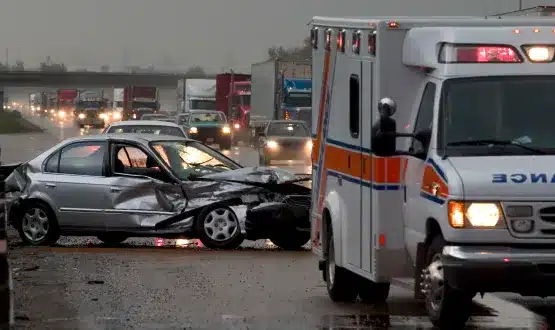
A 100 car pileup is a large scale multi vehicle collision involving dozens or hundreds of vehicles. These crashes usually occur on highways where traffic is moving at high speeds and stopping distances are limited.
Once an initial collision happens, other drivers often cannot react in time. This creates a chain reaction where vehicles continue to collide one after another.
Unlike smaller accidents, pileups often involve multiple points of impact and secondary collisions, making them significantly more dangerous and more complex to investigate.
Large pileups most often occur on highways, interstates, and major roadways with heavy traffic.
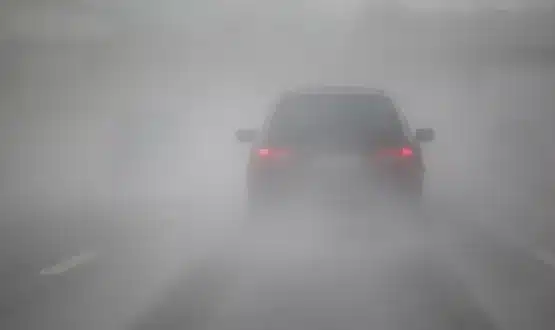
They are especially common in conditions where visibility is reduced, such as fog, heavy rain, or snow. Early morning and nighttime driving conditions also increase the risk.
Certain regions experience these crashes more frequently due to weather patterns or traffic density.
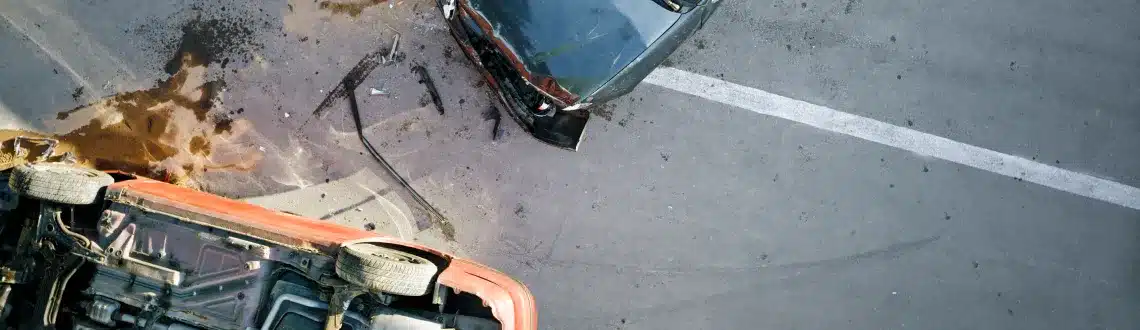
These accidents are rarely caused by a single factor. Instead, they usually involve a combination of conditions and driver behavior.
Poor visibility is one of the leading causes. Fog, smoke, or heavy rain can make it difficult for drivers to see stopped traffic ahead. Slippery roads caused by ice or water can increase stopping distances.
Driver behavior also plays a major role. Following too closely, speeding, or failing to adjust to road conditions can trigger or worsen a chain reaction crash.
In some cases, commercial vehicles such as trucks contribute to the severity due to their size and longer stopping distances.
A pileup often begins with a single collision. This may be caused by sudden braking, poor visibility, or loss of control.
Once that first crash occurs, drivers behind may not have enough time or distance to stop. Vehicles begin colliding in rapid succession.
Secondary impacts are often more severe than the initial crash. Drivers who are already stopped may be struck multiple times, increasing the risk of serious injury.
This cascading effect is what makes large pileups so dangerous.
Injuries in large pileups can range from minor to life threatening.
Common injuries include whiplash, fractures, and soft tissue damage. More serious cases may involve traumatic brain injuries, spinal cord damage, or internal injuries.
Because multiple impacts can occur, injuries may be more severe than in single vehicle crashes.
Emergency response can also be delayed due to the scale of the accident, which can increase the risk of complications.
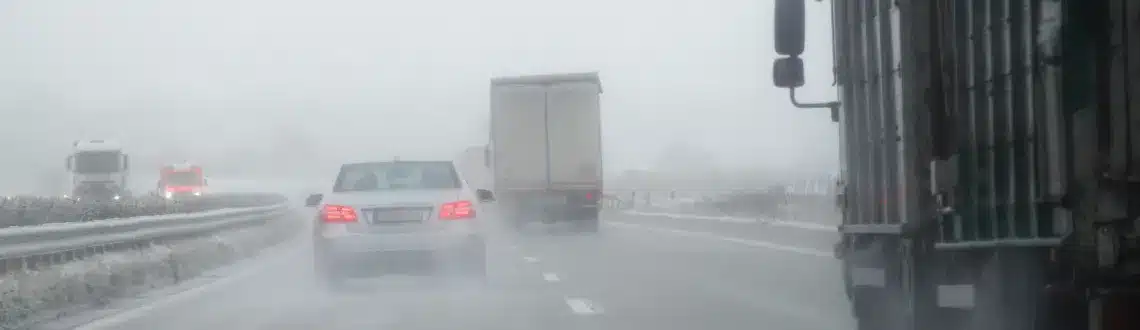
Pileups create chaotic and unpredictable conditions.
Drivers may be unable to see what is ahead until it is too late. Vehicles can become trapped between others, increasing the risk of severe injury.
Fuel leaks, fires, and hazardous materials can add additional danger in some cases.
The sheer number of vehicles involved makes these incidents difficult to manage and increases the likelihood of serious outcomes.
Determining fault in a large pileup is complex.
Unlike a typical accident, responsibility may be shared among multiple drivers. Investigators often analyze the sequence of events to determine which drivers contributed to the crash.
Factors such as speed, following distance, and reaction time are considered. In some cases, road conditions or maintenance issues may also play a role.
Commercial drivers and companies may be held to higher standards, which can affect liability.
These cases rely on extensive evidence.
Police reports provide an initial overview of the crash. Traffic camera footage and dashcam recordings can help reconstruct what happened.
Vehicle damage patterns are analyzed to determine the sequence of impacts. Weather data and road condition reports are also important.
In complex cases, accident reconstruction experts are used to piece together the events.
The steps you take after a large accident can affect your health and your legal rights.
Seek medical attention as soon as possible, even if injuries are not immediately obvious. Document the scene if it is safe to do so and gather information from other drivers.
Keep records of medical treatment and any expenses related to the accident.
Because these cases involve multiple parties, it is important to avoid making statements about fault before understanding the full situation.
Large pileups create unique legal challenges.
Insurance companies may dispute liability or attempt to shift blame between drivers. Multiple claims may be filed at the same time, making the process more complicated.
In some cases, victims may face delays in receiving compensation due to the complexity of the investigation.
Understanding how these cases are handled is important for protecting your rights.
If you were injured in a 100 car pileup, you may be dealing with a complex and stressful situation.
A lawyer can help investigate the crash, determine liability, and pursue compensation for your injuries.
Call Me
We'll call you!
"*" indicates required fields
By submitting, you agree to be contacted about your request & other information using automated technology. Message frequency varies. Msg & data rates may apply. Text STOP to cancel. Privacy Policy
Text With Us
We'll text you!
"*" indicates required fields
By submitting, you agree to be contacted about your request & other information using automated technology. Message frequency varies. Msg & data rates may apply. Text STOP to cancel. Privacy Policy
Call Me
We'll call you!
By submitting, you agree to be contacted about your request & other information using automated technology. Message frequency varies. Msg & data rates may apply. Text STOP to cancel. Privacy Policy
Text With Us
We'll text you!
"*" indicates required fields
By submitting, you agree to be contacted about your request & other information using automated technology. Message frequency varies. Msg & data rates may apply. Text STOP to cancel. Privacy Policy
Email Us
We're available by email!
"*" indicates required fields
By submitting, you agree to be contacted about your request & other information using automated technology. Message frequency varies. Msg & data rates may apply. Text STOP to cancel. Privacy Policy
Book A Consultation
We're ready to answer your questions!
