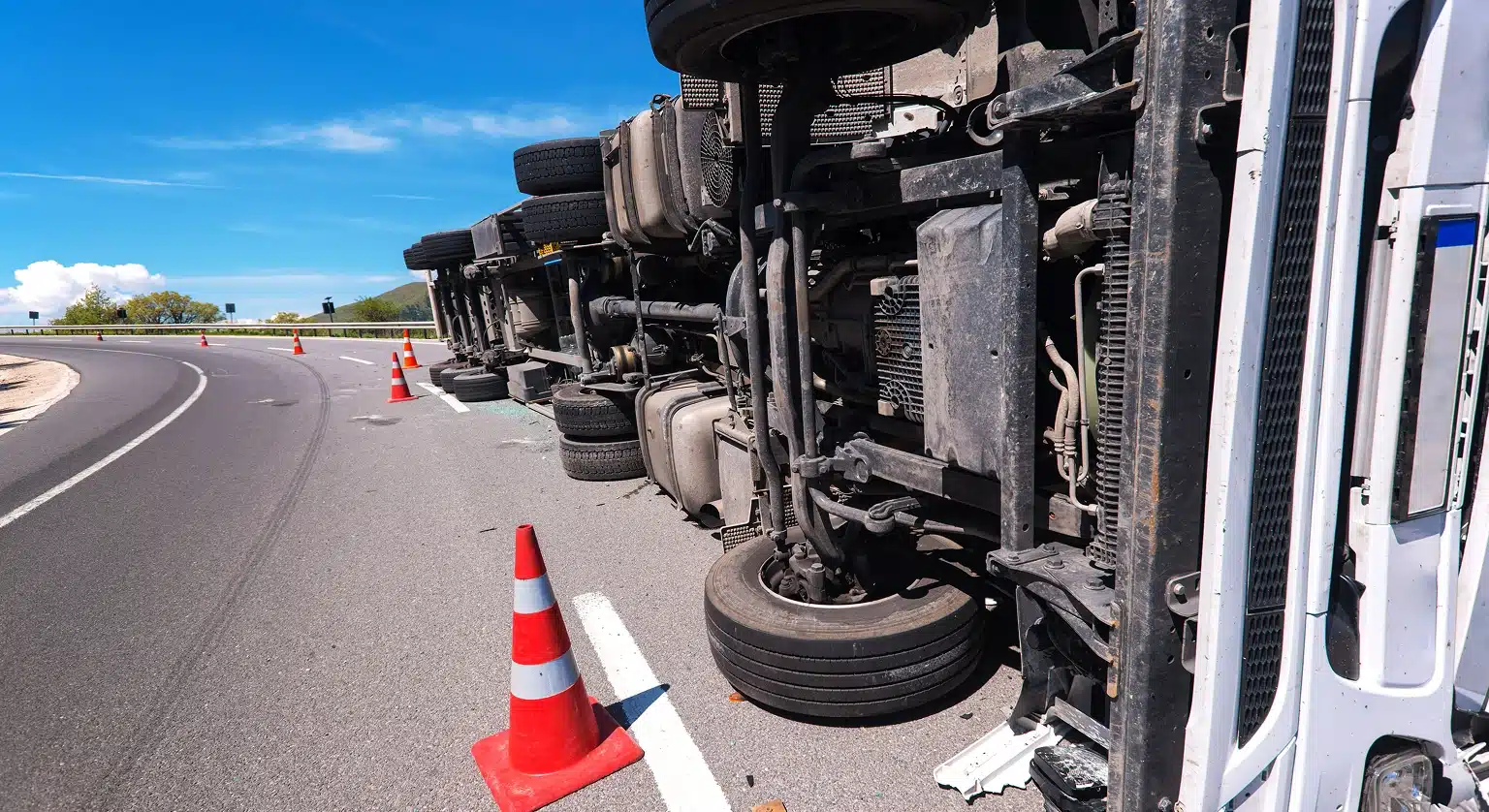
A truck accident can leave you dealing with injuries, lost income, and a long recovery. The deadline for filing a lawsuit can add another concern, but there is no single deadline that applies to every case. The statute of limitations depends on the state law governing your claim and the circumstances of the crash.
Knowing which deadline applies, and when it begins, can help you avoid losing the right to pursue compensation.
What is a statute of limitations?
A statute of limitations sets the legal deadline for filing a lawsuit. If you miss the applicable filing deadline, you may lose your legal right to pursue the claim in court, subject to limited exceptions that depend on the specific law involved. Several factors can affect when that deadline expires:
- Where the crash happened
- Where the parties involved are located
- The type of legal claim being brought
- Whether the crash resulted in a death
- Whether a government entity is a defendant
- The age or legal status of the injured person
Because these factors can affect the applicable deadline, determining when you must file requires looking at the specific facts and laws governing your case rather than relying on a general rule of thumb.
When does the statute of limitations begin?
In many cases, the statute of limitations begins on the date of the truck accident. However, the specific deadline and when it begins can depend on the state where the claim is filed, the type of claim, and the parties involved.
Because missing the applicable deadline can prevent you from pursuing a claim, do not assume you have a certain amount of time based solely on the date of the crash. An attorney can determine which deadline applies to your circumstances.

The deadline may be different for a wrongful death claim
A fatal truck crash can give rise to a wrongful death claim, with a filing deadline that may differ from a personal injury claim. The deadline varies by state and, in some jurisdictions, may run from the date of death rather than the date of the crash. If you lost a loved one in a commercial truck collision, find out which deadline applies to the wrongful death claim as soon as possible.
Claims against government entities can have shorter deadlines
A truck crash may involve a government vehicle, a public entity, or a roadway defect for which a state or local agency could be responsible. Claims against government defendants may involve special notice requirements and shorter filing deadlines than standard personal injury claims. In some jurisdictions, those deadlines can be measured in months rather than years. If a government entity may be involved in your crash, find out early which notice and filing deadlines apply to your claim.
The filing deadline isn’t the only deadline that matters
The statute of limitations generally determines when you must file a lawsuit, but it says nothing about how long the evidence you need will remain available. A truck accident claim can depend on records controlled by the trucking company, including electronic logging device (ELD) records, driver qualification files, maintenance logs, and ECM data.
Federal retention rules establish minimum retention periods for certain records, but they do not guarantee that the evidence will remain available indefinitely. ELD records, for example, generally must be retained for six months. If important evidence is lost before it can be preserved, you may still have time to file a lawsuit but not the evidence to support your claim.

Why you shouldn’t wait, even if you have years to file
A multiyear statute of limitations doesn’t mean you should wait years to act on your claim. A serious truck accident case takes time to develop. You may need time to identify every responsible party, gather medical records, consult experts, and build the evidence needed to prove liability and damages. Waiting until the deadline approaches leaves too little time to fix issues that come up along the way, preserve evidence, and negotiate from a position of strength.
Don’t rely on the trucking company’s own investigation
The trucking company and its insurer may begin investigating the crash soon after it happens, but their investigation serves their own interest. They may also control important evidence, including driver logs, electronic data, maintenance records, and other records related to the crash.
At the Killino Firm, we conduct an independent investigation from the start, seeking the records and evidence needed to determine what happened, who may be responsible, and how the crash affected you. An independent investigation helps ensure your claim is based on the full picture, not just the evidence the trucking company or its insurer chooses to provide.
What if you’ve already missed the deadline?
Missing the filing deadline can prevent you from pursuing a claim, but determining whether a deadline has actually passed may require a closer look at the law and circumstances of your case. Some claims qualify for exceptions that can extend or alter the filing period, although you should never assume an exception applies.
If you’re unsure whether the filing deadline has passed, have your case reviewed as soon as possible. Even if you think you may be too late, the applicable rules and circumstances may leave options worth exploring.

Frequently asked questions
Does the statute of limitations pause while I’m still receiving medical treatment?
No. In all states, the statute of limitations continues to run while you’re receiving medical treatment or recovering from your injuries. You may therefore need to file a lawsuit before you know the full extent of your injuries or have completed treatment.
What happens to my claim if the trucking company goes bankrupt?
A bankruptcy filing can trigger an automatic stay that pauses certain lawsuits and collection efforts against the company. It does not necessarily prevent you from pursuing claims against other responsible parties, and their filing deadlines generally continue to apply. Bankruptcy can create a separate set of legal issues, so the claim and applicable deadlines should be evaluated promptly.
Does filing an insurance claim extend the lawsuit deadline?
No. An insurance claim and a lawsuit are separate legal processes, and reporting a crash to an insurer generally doesn’t extend or satisfy the statute of limitations. The same goes for settlement talks; negotiating with an insurer doesn’t automatically preserve your right to sue if those talks fall through close to the deadline.
If my deadline is coming up but my case isn’t fully investigated, what can I do?
In some circumstances, a lawsuit can be filed before the investigation is complete, allowing the legal process to continue while the parties gather evidence, consult experts, and pursue settlement. The filing must still satisfy the applicable procedural and legal requirements, and waiting too long can put the claim at risk.
Don’t let the deadline become the biggest problem in your case
The statute of limitations will keep running while you’re focused on medical treatment, rehabilitation, work, and your family. Don’t wait until the last minute to determine how long you have to file your claim. Reach out to our team today for a free and confidential consultation.