When Can a Seat Belt Failure Lawyer Investigate a Serious Injury?
A seat belt should help restrain an occupant during a crash. If its buckle releases, webbing tears, anchorage separates or retractor fails to operate as intended, an occupant may move farther than expected, strike the interior or be ejected. The resulting injuries can be devastating.
The Killino Firm evaluates serious injuries involving suspected seat belt defects. A seat belt failure lawyer must determine whether the restraint was used, how it performed and whether a defect contributed to the harm. That requires more than a photograph of a damaged belt.
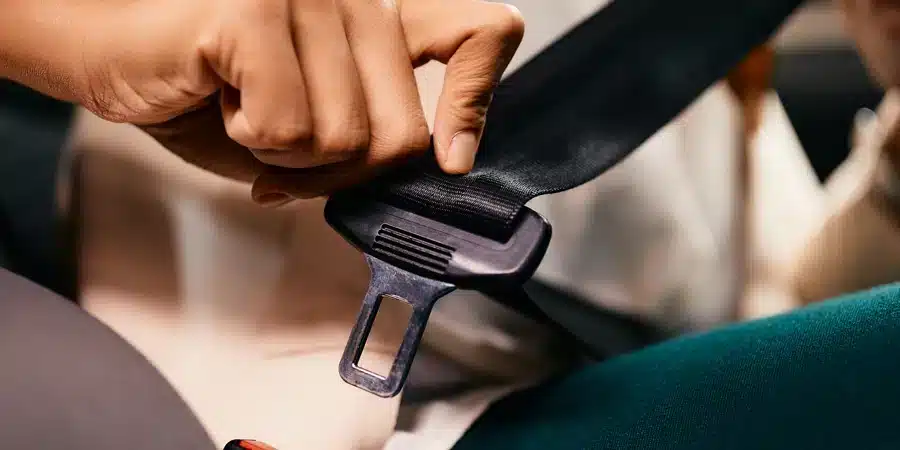
What Can Make a Seat Belt Defective?
Seat belts form a system that includes webbing, buckles, retractors, anchorages and, in many vehicles, pretensioners and load limiters. Potential defects may involve a buckle that does not latch securely, a component that fails under crash loads, or a geometry that does not adequately restrain the occupant in the relevant circumstances.
A manufacturing problem, unsuitable design or improper repair may create different evidence and legal issues. Damage after a crash can also reflect rescue work or expected loading rather than a pre-existing defect. An expert must account for these possibilities.
How Do Investigators Determine Whether a Belt Was Being Worn?
Evidence may include witness accounts, photographs, emergency response notes, marks on the webbing and hardware, and physical findings on the occupant. Electronic records may provide additional information, but their meaning depends on the vehicle and the data recorded.
An insurer’s early assertion that a person was unbelted should be assessed against the complete evidence. At the same time, an occupant’s location after the crash does not by itself establish a buckle failure. Investigators reconstruct occupant movement and compare competing explanations.
Can a Defective Seat Belt Make Crash Injuries Worse?
Yes, a restraint defect may be relevant even when another driver’s negligence caused the collision. This is often called an enhanced-injury or crashworthiness claim. The investigation focuses on injuries attributable to the alleged failure under the applicable state standard.
Potential harm includes head or spinal injuries, serious abdominal injuries and ejection-related trauma. A severe injury does not establish that the belt was defective. Crash severity, seat position and other protective structures must also be considered.
What Seat Belt Evidence Should You Keep?
Preserve the vehicle, the full belt assembly and any components cut or removed during rescue. Do not discard a cut belt simply because the webbing appears unusable. The buckle, anchorage, retractor and surrounding vehicle structure may still contain important evidence.
Keep collision photographs, towing and storage information, prior restraint repairs, recall notices and medical records. Ask counsel to coordinate inspections before a salvage sale or destructive testing. Relevant NHTSA seat belt guidance provides safety context, but an individual failure requires its own technical analysis.
The condition should be documented before an inspection changes it. A photograph showing where the belt was found, a responder’s account of cutting the webbing and a record of later handling can explain why an assembly looks different from its condition during impact. This is especially important when the disputed issue is whether the occupant was restrained, whether the buckle released or whether the belt was altered during rescue. A fair investigation tests each possibility against the same physical evidence.
The relationship between the belt and the seat also deserves attention. A restraint may be intact while a seat movement changes how it controls the occupant. Alternatively, a belt component may fail even when the seat remains secured. An auto defect investigation should establish which interaction explains the injury rather than treating a severe outcome as proof that every protective system failed.
That distinction guides the claim as well as the engineering work. If the allegation concerns enhanced injury, the evidence needs to explain what additional harm is attributed to the restraint problem under the governing law. Medical findings, reconstructed movement and the component examination should support one coherent sequence. Where the available evidence cannot resolve an important step, the assessment should explain the uncertainty rather than fill the gap with an unsupported assumption.

Who Can Be Responsible for a Seat Belt Failure?
Potential responsibility may involve the automaker, a component supplier or a repair or installation business. The legal theory depends on whether the evidence supports a design defect, manufacturing defect, inadequate warning or negligent work. A recall is relevant information, not an automatic liability finding.
The analysis may also involve seat design or airbag performance because these systems protect occupants together. Investigating them together does not mean every component should be accused of failing.
What Is the Difference Between Buckle, Retractor and Webbing Failure?
A buckle allegation may concern incomplete engagement or unexpected release. A retractor allegation may concern whether the belt locked or allowed excessive movement. A webbing allegation may involve tearing, damage or interaction with surrounding hardware. Pretensioners and load limiters have their own functions and expected responses.
These mechanisms require different examination. A cut made by rescuers is not the same as a tear under crash loading. Visible slack after a collision may reflect occupant movement, rescue activity or component performance. Preserving all parts and documenting who handled them can help experts distinguish the possibilities.
Why Does the Occupant’s Position Matter?
Seat adjustment, recline, body size and belt routing can change how forces act on an occupant. A lap belt positioned away from the pelvis may create different medical and biomechanical questions from a buckle that releases during a rollover. The investigation should establish the actual position rather than rely on a generic diagram.
Warnings and foreseeable use may also be relevant under state law. An unusual seating position does not automatically excuse a defective product, just as a severe injury does not automatically establish that the product failed. Both the product and the circumstances require assessment.
Can a Seat Belt Work in One Stage of a Crash and Fail in Another?
A complex collision or rollover can involve several impacts. A restraint may initially load the occupant and later experience a different force or movement. Investigators may need to establish when a suspected release or component failure occurred and whether it preceded the injury-producing contact.
That timing can affect causation. The condition of the buckle after rescue does not necessarily reveal its condition throughout the event. Photographs, loading marks, occupant contacts and witness observations may help reconstruct the sequence, while the limits of any electronic record should be made clear.
What Should You Ask Before an Insurer Disposes of the Vehicle?
Ask where the vehicle and removed parts are stored and whether a sale, dismantling or repair is planned. Let counsel know that a restraint issue is suspected. A preservation request can identify the assemblies and surrounding structure that need to remain available for examination.
Do not independently dismantle the system or test a damaged buckle repeatedly. A coordinated inspection protects evidence and can allow the parties to document the same condition. Preservation is important even when the driver’s liability appears clear because a product claim may address a separate part of the injury.
How Are Long-Term Losses Evaluated in a Restraint Injury Case?
Medical recommendations, rehabilitation assessments and work restrictions can help document future care and earning consequences. The claim should account for the losses legally attributable to the alleged failure. An estimate must distinguish supported needs from assumptions and avoid treating a diagnosis as a fixed settlement value.
How Can You Start a Seat Belt Injury Review?
Record the make, model, year, crash date and current location of the vehicle. Seek legal advice promptly because filing deadlines and preservation needs differ by case. Contact The Killino Firm for a free, confidential consultation about a suspected restraint failure and the medical, financial and personal losses it may have caused.