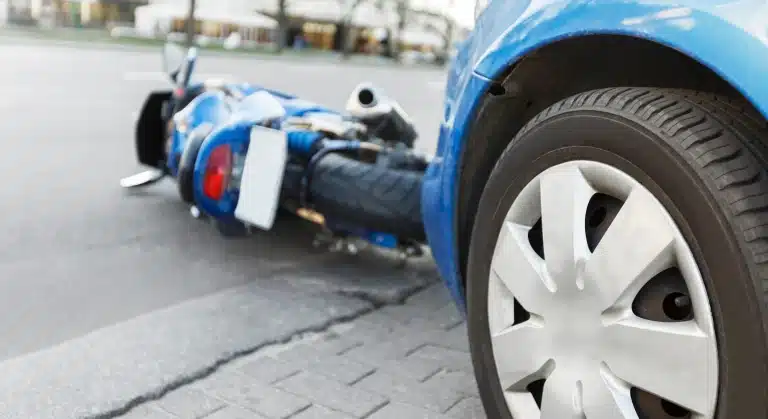
Yes. In most cases, you can still pursue compensation after a motorcycle crash even if you weren’t wearing a helmet. If you or a family member were hurt in a similar way, speak with a motorcycle accident lawyer about your options.
What matters most is where the crash happened, whether you were legally required to wear a helmet, and whether the lack of a helmet actually contributed to the injuries you’re claiming. Those are separate questions insurance companies love to blur together.
At The Killino Firm, we see this tactic constantly. An adjuster hears “no helmet” and immediately tries to shift blame onto the rider before the physical evidence is even reviewed. We don’t let that happen. Our team investigates the full picture: what the other driver did, what the road conditions were, and whether a defective part played a role.
Not wearing a helmet does not automatically mean you caused the crash
This distinction matters more than almost anything else in your case.
Say another driver runs a red light and hits your motorcycle. You suffer a broken leg and a shoulder injury, and you are not wearing a helmet. The other driver’s negligence still caused the collision. Whether your helmet use affects compensation for those specific injuries is a completely separate legal question.
Insurance companies try to treat the two issues as the same, arguing that no helmet means little or no payout. That argument deserves to be challenged under the law that actually applies to your case, not simply what the insurer says.
Helmet laws vary by state
Motorcycle helmet requirements vary significantly depending on where you ride, and they generally fall into three categories:
- Universal helmet laws: Some states require all riders and passengers to wear a qualifying helmet, no matter their age or experience.
- Partial helmet laws: Many states only require helmets for certain riders, often based on age, license history, or completion of a safety course while exempting others.
- No helmet law: A handful of states don’t mandate helmet use for adult riders at all.
Even within these categories, the fine print varies. Required insurance minimums, age cutoffs, and licensing requirements can differ from state to state. That’s why no single answer applies to every rider. The law of the state where your crash occurred can shape how your claim is evaluated, including whether helmet use affects your ability to recover compensation.
What if I violated the helmet law?
An insurer may argue that not wearing a helmet made your injuries worse.
Depending on the law that applies to your case, a violation of the helmet law may be treated as a form of comparative negligence, which could reduce your compensation if the violation is found to have contributed to your injuries. It usually does not erase your claim entirely. In some states, helmet-law violations cannot be used against you in a civil case at all.
But an insurer’s claim that a helmet would have prevented or reduced your injuries doesn’t make it true. Establishing that connection requires evidence, including medical testimony, accident reconstruction, and expert analysis of whether and how a helmet would have changed your injuries. Don’t accept a reduced offer simply because an adjuster says your helmet use justifies it.
This is exactly the kind of detail that depends on the law that applies to your crash and the specific facts involved. That’s why an early conversation with our attorneys is crucial. We can explain how the applicable law treats a helmet violation before an insurance adjuster has the opportunity to use it against you.

What if my helmet was damaged in the crash?
Keep the helmet. Don’t throw it away or replace it before we have a chance to review it as evidence. Photograph the damage and preserve the original helmet and other damaged riding gear whenever possible. These items can provide important information about the forces involved in the crash and the impact you sustained.
What compensation may be available?
Depending on the facts of your case and the state law that applies, your claim could include:
- Emergency medical care
- Hospital treatment
- Surgery
- Rehabilitation
- Medication
- Lost wages
- Reduced earning capacity
- Pain and suffering
- Permanent disability
- Disfigurement
- Future medical care
- Motorcycle damage
- Damaged riding equipment
When a defective motorcycle part can cause a crash
Sometimes, a problem with the motorcycle itself can play a role in the crash. A defective brake, tire, throttle, or other component could cause a crash or make the resulting injuries worse.
Our team will investigate potential vehicle design defects, manufacturing problems, maintenance failures, and other factors that may have contributed to the crash.
If a mechanical problem may have played a role, preserving the motorcycle and its components can provide important evidence. That evidence can help determine what happened and whether a defective part or another mechanical defect or failure contributed to your injuries.

Why medical treatment comes first
Get checked out immediately after a motorcycle crash, even if you feel like you can walk away. Adrenaline can mask pain, and some serious injuries may not cause symptoms right away.
Your medical records can also play an important role in documenting your injuries and supporting your claim. Follow your provider’s recommendations, and let them know if new symptoms develop. Clear, consistent communication with your provider can help ensure your injuries are properly evaluated.
Do not let "biker bias" decide your claim
After a motorcycle crash, insurers may be quick to make assumptions about the rider’s conduct. An insurance company may suggest that a rider was speeding, riding recklessly, ignoring safety rules, or taking unnecessary risks. Not wearing a helmet may become another argument used to portray the rider as irresponsible and shift blame for the crash or resulting injuries onto them.
We counter these assumptions by independently investigating the crash and building the case around the available evidence. Our team works with accident reconstruction experts, reviews physical and medical evidence, and challenges unsupported claims from insurers. This approach helps present the facts clearly and establish responsibility based on what actually happened, not stereotypes about motorcyclists.

Frequently asked questions
Who pays my medical bills after a motorcycle crash?
Does helmet camera or GoPro footage help my case?
What if my helmet didn't meet safety standards?
What if the other driver admits they caused the accident?
Speak with a motorcycle accident lawyer
If you were injured in a motorcycle crash and were not wearing a helmet, do not assume you have no legal options.
The Killino Firm’s experienced motorcycle accident attorneys can review the circumstances of the crash, investigate liability, and help you understand how the applicable state law may affect your claim.
Contact our team today for a free and confidential consultation.