NATIONALLY RECOGNIZED
This page covers bus accidents involving adults. If your child was hurt on a school bus, our main School Bus Accident Lawyer page is at Child & Birth Injury Lawyers, The Killino Firm’s dedicated child injury practice.
Hundreds of Millions of Dollars Have Been Recovered for Catastrophic Injury and Bus Accident Victims
"*" indicates required fields
Bus accidents can leave passengers, drivers and people in other vehicles with life-changing injuries. A bus is a large, heavy vehicle that carries many people at once, so a single crash can injure dozens of people and cause severe harm even at moderate speeds. If you or a loved one was hurt in a crash involving a city transit bus, a charter bus, a tour bus or an intercity coach, a bus accident lawyer at The Killino Firm can investigate what happened and hold the responsible companies accountable. Call 878-888-7878 for a free, confidential consultation.
If a child was hurt in a school bus accident, see our school bus accident lawyer page at Child & Birth Injury Lawyers.
According to the National Highway Traffic Safety Administration (NHTSA), there are approximately 300 fatal bus accidents each year, and many more crashes that cause serious injuries and property damage.
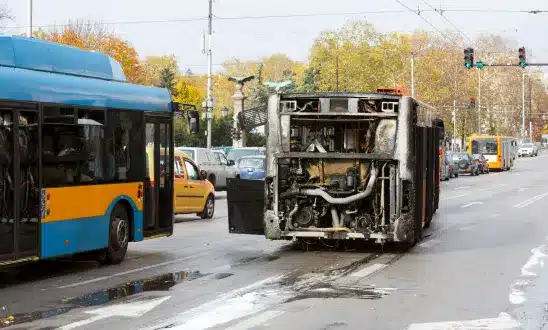

Buses used by the public include city transit and public transportation buses, charter and tour buses that carry groups on trips, intercity and long-distance coaches, and shuttle buses, such as those run by airports, hotels and employers. Each type comes with its own operators, rules and insurance, which affects who can be held responsible and how a claim is handled. Bus accidents are also a form of commercial vehicle accident, which means companies, federal safety rules and large insurance policies are usually involved from the start.
There are many factors that can lead to motor vehicle accidents involving buses. One of the most serious is a driver who is under the influence of drugs or alcohol. Reckless driving and speeding, by either the bus driver or another driver, are also common, as are driver fatigue and long hours behind the wheel, which are a problem in the bus industry as they are in trucking. Harsh weather such as rain, snow and fog adds risk, and so do dangerous, narrow roadways and sharp turns, especially on tour routes through mountain roads.
Equipment problems are another frequent cause. A bus with defective tires or faulty brakes, or a bus that was not properly maintained, can be a danger to everyone on board. Because a bus carries so many passengers, a tire blowout or a brake failure can lead to a rollover or a multiple-vehicle crash with catastrophic results.


Responsibility depends on what caused the crash. The bus driver may be responsible for reckless, distracted or impaired driving. The company or transit agency that employs the driver can be responsible for its driver’s actions and for its own mistakes, such as hiring an unsafe driver, failing to train or supervise, setting schedules that push drivers to the point of exhaustion or ignoring maintenance. A company that was hired to inspect or repair the bus can be responsible if it did the work badly. The maker of a defective part, such as tires or brakes, can face a product liability claim. And another driver whose negligence caused the crash may also share the blame.
Commercial bus carriers must follow federal and state safety rules, including rules on driver qualification, hours of service and vehicle maintenance. A violation of those rules can be important evidence that a company failed to put safety first, and we investigate the carrier’s records to find out whether it did.
Often yes, but claims against a city, county or public transit agency usually have special rules. Many states require a written notice of the claim within a short time, sometimes much shorter than the normal deadline for a lawsuit, and some states limit the damages that can be recovered from a public body. If a public bus was involved, speak with a lawyer quickly so that the notice deadline is not missed.
Get medical care right away, even if you feel fine, because some injuries, including head and back injuries, can take hours or days to show. Make sure the police are called and a report is made. Take photos of the bus, the vehicles, the scene and your injuries, and write down the bus company’s name, the bus number and the route. Get the names and contact details of the driver, other passengers and witnesses, because many people on a bus are strangers who will quickly go their separate ways. Keep your ticket, your receipts and your medical records. And do not give a recorded statement to an insurance company before you have legal advice, because the company may use what you say to reduce what it pays.
Bus accident injuries range from sprains and broken bones to head and brain injuries, spinal cord injuries, internal injuries and death. Passengers are often hurt when a bus stops suddenly, rolls over or is struck from the side, and many buses have no seat belts, so people can be thrown against seats and windows or out of the vehicle. People in the cars hit by a bus are also at serious risk because of the size and weight of the bus. Serious injuries can lead to months or years of treatment and lost income, which is why a claim needs to account for future care and not only the first bills.


Whatever the cause may be, bus accidents can be devastating, tragic events for all parties involved, leaving individuals with life-changing injuries and lost loved ones. If you or someone you love was injured or killed in a bus accident, it is important to hire an experienced personal injury attorney who will help you recover compensation for your physical, psychological and financial losses. You may be eligible to recover compensation for medical bills and treatment programs, lost wages, funeral costs, present and future loss of financial support, and emotional pain and suffering. Families who lost a loved one may also have a wrongful death claim.
Each state sets a deadline, called a statute of limitations. In many states it is two years from the accident, but it varies by state and is shorter for some claims against public agencies. Evidence such as the bus’s data recorder and video can also be lost quickly, so it is important to contact a lawyer as soon as you can so that the deadline and the evidence are protected.
The families of people injured and killed in bus accidents turn to The Killino Firm for compassionate yet aggressive representation. Our highly skilled personal injury attorneys have been successfully representing the injured and their families for years, and they serve as a team of advocates for their clients. We work to uncover the cause of the accident, using experts and advanced technology when needed, and we fight to make sure all liable parties are held accountable. We recognize that a bus accident can change a client’s life forever, so we provide committed, compassionate representation at every stage of the case.
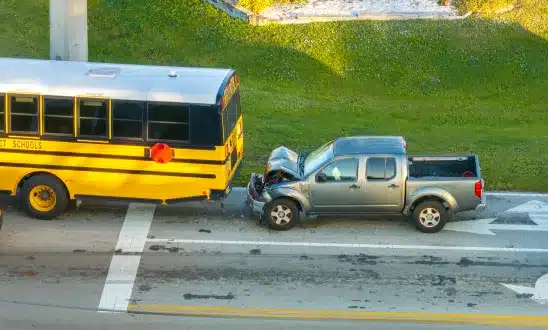

When you need a bus accident lawyer who will exhaustively investigate your case and make sure every responsible party is held accountable, contact The Killino Firm, where Keeping America Safe is our primary goal. We represent injured people nationwide. Call 878-888-7878 or fill out the form on this page to speak with a bus accident attorney. We will respond promptly so that you can experience The Killino Firm Difference.


We contacted this firm when our son suffered a birth injury. They listened to our potential case and took us on. They helped us all the way through the process, always took my calls and questions. Killino is very passionate about his work and it felt like he was upset for our son like he was his own child. The paralegal, Kayla, was always on top of things and helpful. The whole firm that we worked with really did their best for us and now we have what we need to care for our son. We couldn’t be more grateful.
Jeff and his team at Killino Law Firm are truly exceptional! They took on my daughter’s challenging case when no one else would, and their dedication, expertise, and compassion made all the difference. Thanks to their amazing work, we can now take care of our daughter for the rest of her life. Jeff handled everything with professionalism and kept us informed every step of the way. If you’re in need of a personal injury & accident lawyer, look no further—Jeff is your guy. I can’t recommend him and his exceptional team enough!
The Killino firm is an excellent firm that tirelessly advocates on behalf of their clients. I’ve come across a lot of great personal injury attorneys in my time and simply put, Killino is the best.
Courtney S

Reggie B
Corey E
Jeanne Y
Trisha H
Michaelene C
Rhonda L
In the aftermath of a wrongful death or catastrophic injury, particularly those involving babies and children, victims and their families are forced into the new “normal”. Their lives are often characterized by multiple facets of struggle; physical, medical and financial. The worry and stress can be unbearable. But, that is where the Killino Firm steps in.
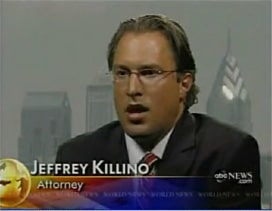
Time and again for over two decades Jeffrey Killino has changed the lives of his clients and their families with recoveries that will provide for all future medical care and day to day needs. The Killino Firm clients are regularly purchasing new homes and vehicles; securing much needed medical care and assistance; and sleeping better at night know there are millions of dollars to take care of them for the rest of their lives.
Yes, the Killino Firm regularly secures multi-million dollar settlements and/or verdicts, however, we measure our true success in terms of how we change our clients’ lives. The Killino Firm is dedicated to its clients and their plight. After the cases are over, the Killino Firm stays involved and available to it’s clients as the journey continues.
At the Killino Firm we care about our clients and we care about our community, which is why from time to time when we uncover a hazard or danger with the potential to harm others, the Killino Firm takes action to alert the public and appropriate regulatory authorities.
Call Me
We'll call you!
"*" indicates required fields
By submitting, you agree to be contacted about your request & other information using automated technology. Message frequency varies. Msg & data rates may apply. Text STOP to cancel. Privacy Policy
Text With Us
We'll text you!
"*" indicates required fields
By submitting, you agree to be contacted about your request & other information using automated technology. Message frequency varies. Msg & data rates may apply. Text STOP to cancel. Privacy Policy
Call Me
We'll call you!
By submitting, you agree to be contacted about your request & other information using automated technology. Message frequency varies. Msg & data rates may apply. Text STOP to cancel. Privacy Policy
Text With Us
We'll text you!
"*" indicates required fields
By submitting, you agree to be contacted about your request & other information using automated technology. Message frequency varies. Msg & data rates may apply. Text STOP to cancel. Privacy Policy
Email Us
We're available by email!
"*" indicates required fields
By submitting, you agree to be contacted about your request & other information using automated technology. Message frequency varies. Msg & data rates may apply. Text STOP to cancel. Privacy Policy
Book A Consultation
We're ready to answer your questions!
