
Jenni Rivera Plane Crash: What Happened, Cause, Investigation, and the Full Story
The Jenni Rivera plane crash remains one of the most tragic and widely discussed aviation disasters involving a celebrity. In the early hours of December 9, 2012, a private jet carrying the internationally renowned Mexican-American singer crashed shortly after takeoff from Monterrey, Mexico, killing all nine people on board.
More than a decade later, the crash continues to raise questions about what exactly happened, what caused the aircraft to go down, and whether the tragedy could have been prevented. While investigators were able to reconstruct parts of the event, the full picture remains complex, involving aircraft history, pilot factors, and mechanical uncertainties.
This article provides a complete, fact-based breakdown of the Jenni Rivera plane crash, including the timeline, crash dynamics, investigation findings, and the broader aviation safety implications.
What Happened on the Night of the Crash
On December 8, 2012, Jenni Rivera had just finished performing at a concert in Monterrey, Mexico. Following the event, she boarded a Learjet 25 along with members of her team and two pilots. The flight was scheduled to depart in the early hours of December 9, with a destination of Toluca, near Mexico City.
Shortly after takeoff, the aircraft climbed normally before something went critically wrong.
Air traffic control lost contact with the plane not long after departure. Radar data later suggested that the aircraft experienced a sudden and extreme descent, dropping rapidly from cruising altitude in a manner inconsistent with controlled flight.
This was not a gradual failure—it was abrupt and catastrophic.
By the time authorities located the wreckage in a remote mountainous area near Iturbide, Nuevo León, there were no survivors.

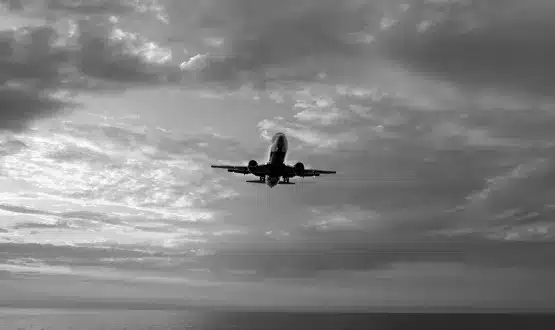
Where the Jenni Rivera Plane Crash Occurred
The crash site was located in a rugged, mountainous region in northern Mexico. The terrain in this area is steep and difficult to access, which significantly complicated recovery operations.
When responders reached the site, they encountered a widely dispersed debris field, indicating a high-speed impact. The condition of the wreckage suggested that the aircraft struck the ground at a steep angle and with immense force.
This level of destruction had two major implications:
- It made immediate identification of victims impossible
- It limited the amount of usable physical evidence available to investigators
These factors would later play a key role in why the investigation could not reach a single definitive conclusion.
Crash Dynamics: What Likely Happened in the Air
Based on radar data and wreckage analysis, investigators believe the aircraft entered a steep, uncontrolled descent.
The rate of descent was extreme—far beyond what would occur during normal flight or even most emergency procedures. This suggests a sudden loss of control, rather than a managed attempt to land or recover.
In aviation, this type of event can be associated with several scenarios:
- Structural or mechanical failure
- Loss of spatial orientation by pilots
- Instrument malfunction
- Aerodynamic stall or overspeed condition
What makes the Jenni Rivera plane crash particularly difficult to pinpoint is that multiple contributing factors may have occurred simultaneously.
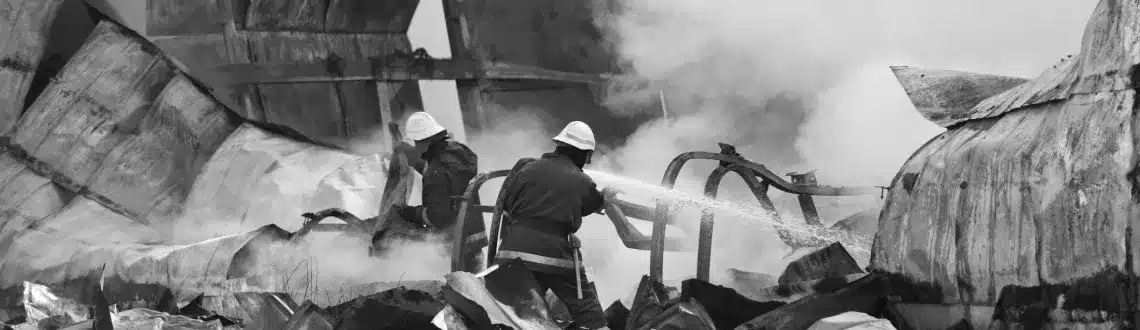
What Caused the Jenni Rivera Plane Crash
The exact cause of the crash was never definitively determined. However, investigators identified several high-probability contributing factors that together form the most widely accepted explanation.
Aircraft Age and Condition
The Learjet 25 involved in the crash was more than four decades old. While older aircraft can remain safe if properly maintained, they require rigorous and consistent inspection.
Records indicated that this particular aircraft had:
- A complex operational history
- Multiple prior owners
- Past incidents and irregularities
Such factors increase the risk profile of any aircraft, especially if maintenance standards are inconsistent across ownership transitions.
Pilot-Related Factors
Pilot performance is a critical element in any aviation accident.
Investigators examined:
- Pilot certifications
- Flight experience
- Potential fatigue
- Training background
There were concerns raised about whether the pilots were fully qualified for that specific aircraft and flight conditions. Even small deficiencies in training or experience can become critical during high-stress situations.
Possible Mechanical Issues
Mechanical failure could not be ruled out.
Given the aircraft’s age and operational history, investigators considered the possibility of:
- Instrument malfunction
- Flight control system issues
- Structural fatigue
However, due to the severity of the crash, much of the physical evidence was too damaged to confirm a specific failure point.
Loss of Control Scenario
The most widely accepted explanation is that the aircraft experienced a loss of control shortly after takeoff, leading to a rapid descent.
This could have been triggered by:
- A mechanical issue that impaired handling
- Pilot disorientation or incorrect inputs
- A combination of both
In aviation accident analysis, these types of events are rarely caused by a single factor. Instead, they are typically the result of multiple failures aligning at the same time.
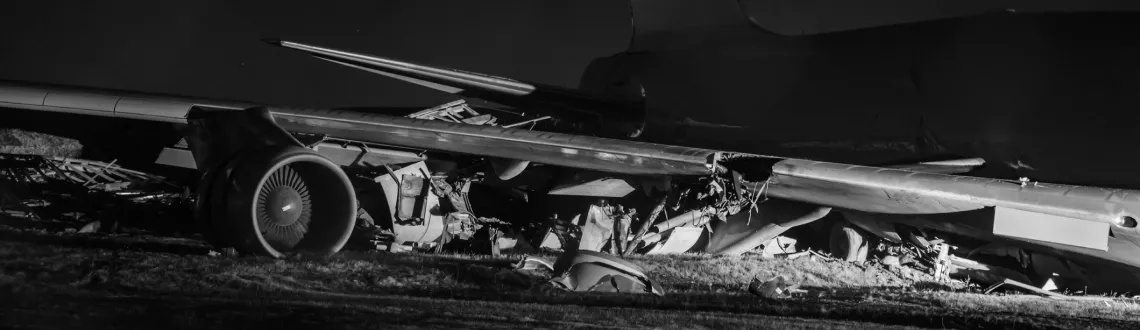
Why the Investigation Could Not Reach a Final Conclusion
One of the most important aspects of the Jenni Rivera plane crash is that investigators were unable to determine a single definitive cause.
This was due to several limitations:
First, the aircraft did not provide complete flight data that could reconstruct the final moments with precision.
Second, the impact destroyed critical components that would normally be analyzed for failure patterns.
Third, the crash environment made recovery and reconstruction significantly more difficult.
As a result, the official findings pointed to probable causes rather than a confirmed chain of events.
Recovery and Identification of Victims
Due to the extreme impact forces, traditional identification methods were not possible.
Authorities relied on forensic science, particularly DNA analysis, to identify the victims. This process required coordination with family members and specialized forensic teams.
The identification process took time, but all individuals on board were eventually confirmed.
Aviation Safety and Legal Implications
The Jenni Rivera plane crash raised serious questions that extend beyond this single incident.
In aviation law and safety analysis, cases like this often focus on whether the tragedy could have been prevented. Key areas of concern typically include:
- Maintenance standards and compliance
- Aircraft ownership and operational oversight
- Pilot training and certification
- Regulatory enforcement
When failures occur across multiple areas—technical, human, and organizational—the risk of catastrophic outcomes increases significantly.
From a legal perspective, aviation accidents often involve multiple potentially responsible parties, including operators, maintenance providers, and others connected to the aircraft’s operation.
Why This Crash Still Matters Today
More than a decade later, the Jenni Rivera plane crash continues to be referenced in discussions about aviation safety, particularly involving older aircraft and private charters.
It highlights a recurring issue in aviation:
Even when systems are designed to be safe, gaps in maintenance, oversight, or human performance can align in ways that lead to disaster.
For the public, it remains a story of sudden loss.
For the aviation industry, it remains a case study.
Conclusion
The Jenni Rivera plane crash was a complex aviation tragedy with no single confirmed cause, but strong indications of multiple contributing factors.
What is clear is that:
- The aircraft experienced a sudden and catastrophic loss of control
- The crash resulted in total loss of life
- The investigation was limited by physical and technical constraints
- The event raised ongoing concerns about aviation safety and accountability
Understanding what happened requires looking not at one failure, but at how several risks may have combined in a critical moment.