NATIONALLY RECOGNIZED
Hundreds of Millions of Dollars Have Been Recovered for Catastrophic Injury and Bus Accident Victims
"*" indicates required fields
A bus accident lawyer can investigate who caused an injury, preserve the carrier’s records and pursue compensation from the parties legally responsible. A claim may involve the driver, bus company, maintenance contractor, another motorist or a public transit agency. The right approach depends on the operation, the accident sequence and the injured person’s losses. The Killino Firm reviews serious bus injury cases and helps families understand those questions before important evidence disappears.
This page covers bus accidents involving adults. If your child was hurt on a school bus, our main School Bus Accident Lawyer page is at Child & Birth Injury Lawyers, The Killino Firm’s dedicated child injury practice.


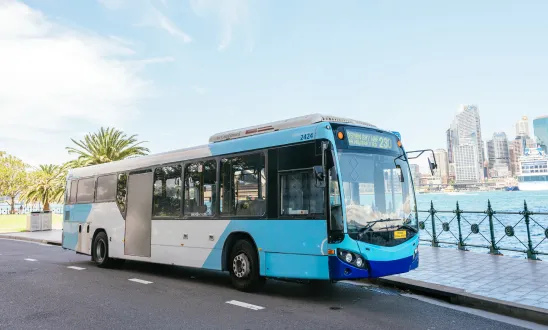
Buses used by the public include city transit and public transportation buses, charter and tour buses that carry groups on trips, intercity and long-distance coaches, and shuttle buses, such as those run by airports, hotels and employers. Each type comes with its own operators, rules and insurance, which affects who can be held responsible and how a claim is handled.
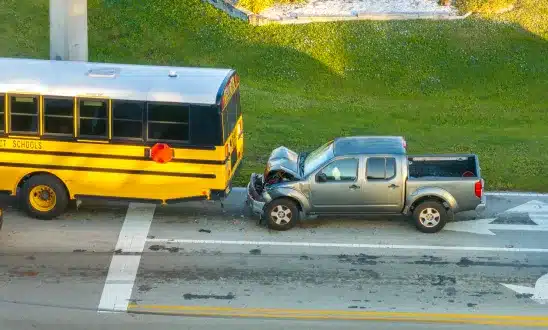
A passenger may be injured in a collision, during a sudden movement inside the bus or while boarding or leaving it. A bus may also injure someone walking nearby, a cyclist or an occupant of another vehicle. The investigation should start with the actual event rather than assume that every bus injury follows the same pattern. A collision on an interstate highway and a fall at a transit stop can require different records, witnesses and legal analysis.
These matters are part of our broader commercial vehicle accident practice, with attention to the companies and operating arrangements behind the vehicle.
Driver distraction, unsafe turns, speed, inadequate following distance and failure to yield can contribute to a bus crash. Fatigue or an unsuitable schedule may require a closer look at dispatch decisions and the driver’s recorded work. A bus accident attorney should examine company practices as well as the final maneuver, because an avoidable risk may have developed before the vehicle reached the scene.
Maintenance and component failures raise separate questions. Brakes, steering, doors and tires should be assessed where the evidence supports concern about their performance. The appearance of a damaged part after a collision does not establish that it caused the crash. Experts may need to distinguish an original failure from impact damage or changes made during recovery. A suspected tire defect may require product identification and inspection alongside the collision reconstruction.


Responsibility follows the evidence and applicable law. The bus driver may face a negligence claim, and the employer may be responsible for the driver’s conduct under the relevant rules. The company may also have separate liability for unsafe hiring, inadequate supervision, a maintenance failure or another operational decision that contributed to the injury.
Identifying the company can take more work than reading the name painted on the bus. Ownership, operation, staffing and booking may involve different businesses. A charter agreement, registration, ticket and insurance information can help establish their roles. Repair providers, a product manufacturer or another driver may also need investigation. Naming every business associated with the trip is not a substitute for explaining what each allegedly did wrong and how that conduct caused harm.
A claim against a public transit agency may be possible, but government claims can involve special notice requirements, immunity questions, filing procedures and limits on recovery. These rules vary by jurisdiction and by the particular defendant. A deadline to give notice can arise before the ordinary deadline for filing a lawsuit, so a prompt assessment matters.
The vehicle’s appearance does not always resolve whether a public entity, private operator or contractor was responsible. Preserve the route, bus number, transit branding and any communications about the incident. A bus injury lawyer can investigate the operating arrangement and determine which procedures apply. Reporting an accident to a customer-service department should not be assumed to satisfy every legal notice requirement or protect a filing deadline.
Useful evidence can include onboard video, nearby camera footage, available vehicle data, inspection records, maintenance history, dispatch communications and driver qualification records. These materials answer different questions. Video may show movement and passenger position, while a repair record may reveal an earlier complaint that needs further investigation. The strongest account connects the records to one supported sequence of events.
Passengers can help by keeping tickets, booking confirmations, photographs, the bus number and witness contact details. Record where you were seated or standing and what you observed, distinguishing firsthand recollection from something learned later. For a boarding injury, the stop location, step condition and available assistance may be important. Let counsel address preservation requests and coordinated inspections rather than attempting to obtain restricted carrier records yourself.


The applicable rules depend on the vehicle, operation, route and jurisdiction. Some passenger carriers fall under federal motor carrier requirements, while other operations involve different state or local rules. It would be misleading to assume that every city shuttle and interstate coach has identical duties, insurance requirements or exemptions.
The Federal Motor Carrier Safety Administration provides passenger-carrier safety information, including information about operating authority and safety history. In an injury case, counsel must connect a relevant duty to the evidence of what happened. A historical safety issue does not, by itself, prove the cause of a later crash, and regulatory compliance does not answer every negligence question. The legal analysis needs the rule, its applicability and the causal facts.
Bus passengers may suffer fractures, head injuries, back injuries and other serious harm. The legal investigation should follow the medical evidence instead of treating the size of the bus or the appearance of the crash as proof of a particular diagnosis. Appropriate treatment and follow-up come first. Preserve the records and describe changes in symptoms or daily function accurately to your healthcare providers.
Some losses continue after emergency care. Rehabilitation, assistance at home, transportation, mobility equipment and time away from work can become important. A person with a significant brain injury may have difficulties that are not obvious in a photograph. Medical records, work history and qualified expert opinions can help explain those effects without assuming that every symptom is permanent or attributable to the accident.
Depending on the claim and governing law, recoverable losses may include medical expenses, supported future care, lost earnings, reduced earning capacity and pain and suffering. A serious case needs more than a total of the bills already paid. The evidence should account for the person’s likely future needs and explain the basis for each projection.
An insurer’s early offer may arrive before the full medical and financial picture is clear. Understand the scope of any release and the losses it resolves before agreeing to a settlement. A fatal accident may involve wrongful death claims, with different rules about who can bring the claim and which losses are recoverable. The number of passengers injured or the policy limit alone does not determine an individual case’s value.
There is no single nationwide deadline for every bus accident lawsuit. The jurisdiction, type of defendant, claim and individual circumstances can affect the available time. Public-entity notices and other procedural requirements may need attention early, even while treatment continues. A free consultation can help identify what must be investigated promptly.
Evidence and deadlines are related but separate concerns. A lawsuit may still be timely even after footage has been overwritten or the bus has been repaired. Conversely, possessing good photographs does not extend a filing period. Early review helps address both issues: preserving material needed to understand the event and identifying the procedures necessary to pursue the claim.

The Killino Firm can review the incident, the operating companies, the available evidence and the impact of the injuries. An initial discussion is useful even if you do not yet know whether the driver, carrier or another party was responsible. Explain what happened, when it happened, the type of bus and where you received treatment.
Contact The Killino Firm for a free, confidential consultation. Bring the information already available, such as photographs, incident details, tickets and insurance correspondence. The review can clarify potential next steps, the records that need preservation and the questions that must be answered before a supported bus accident claim can move forward.

We contacted this firm when our son suffered a birth injury. They listened to our potential case and took us on. They helped us all the way through the process, always took my calls and questions. Killino is very passionate about his work and it felt like he was upset for our son like he was his own child. The paralegal, Kayla, was always on top of things and helpful. The whole firm that we worked with really did their best for us and now we have what we need to care for our son. We couldn’t be more grateful.
Jeff and his team at Killino Law Firm are truly exceptional! They took on my daughter’s challenging case when no one else would, and their dedication, expertise, and compassion made all the difference. Thanks to their amazing work, we can now take care of our daughter for the rest of her life. Jeff handled everything with professionalism and kept us informed every step of the way. If you’re in need of a personal injury & accident lawyer, look no further—Jeff is your guy. I can’t recommend him and his exceptional team enough!
The Killino firm is an excellent firm that tirelessly advocates on behalf of their clients. I’ve come across a lot of great personal injury attorneys in my time and simply put, Killino is the best.
In the aftermath of a wrongful death or catastrophic injury, particularly those involving babies and children, victims and their families are forced into the new “normal”. Their lives are often characterized by multiple facets of struggle; physical, medical and financial. The worry and stress can be unbearable. But, that is where the Killino Firm steps in.
Time and again for over two decades Jeffrey Killino has changed the lives of his clients and their families with recoveries that will provide for all future medical care and day to day needs. The Killino Firm clients are regularly purchasing new homes and vehicles; securing much needed medical care and assistance; and sleeping better at night know there are millions of dollars to take care of them for the rest of their lives.
Yes, the Killino Firm regularly secures multi-million dollar settlements and/or verdicts, however, we measure our true success in terms of how we change our clients’ lives. The Killino Firm is dedicated to its clients and their plight. After the cases are over, the Killino Firm stays involved and available to it’s clients as the journey continues.
At the Killino Firm we care about our clients and we care about our community, which is why from time to time when we uncover a hazard or danger with the potential to harm others, the Killino Firm takes action to alert the public and appropriate regulatory authorities.
Call Me
We'll call you!
"*" indicates required fields
By submitting, you agree to be contacted about your request & other information using automated technology. Message frequency varies. Msg & data rates may apply. Text STOP to cancel. Privacy Policy
Text With Us
We'll text you!
"*" indicates required fields
By submitting, you agree to be contacted about your request & other information using automated technology. Message frequency varies. Msg & data rates may apply. Text STOP to cancel. Privacy Policy
Call Me
We'll call you!
By submitting, you agree to be contacted about your request & other information using automated technology. Message frequency varies. Msg & data rates may apply. Text STOP to cancel. Privacy Policy
Text With Us
We'll text you!
"*" indicates required fields
By submitting, you agree to be contacted about your request & other information using automated technology. Message frequency varies. Msg & data rates may apply. Text STOP to cancel. Privacy Policy
Email Us
We're available by email!
"*" indicates required fields
By submitting, you agree to be contacted about your request & other information using automated technology. Message frequency varies. Msg & data rates may apply. Text STOP to cancel. Privacy Policy
Book A Consultation
We're ready to answer your questions!
